At Laurel Convent Academy, we encourage active participation and engagement in the learning process through interactive teaching methods.
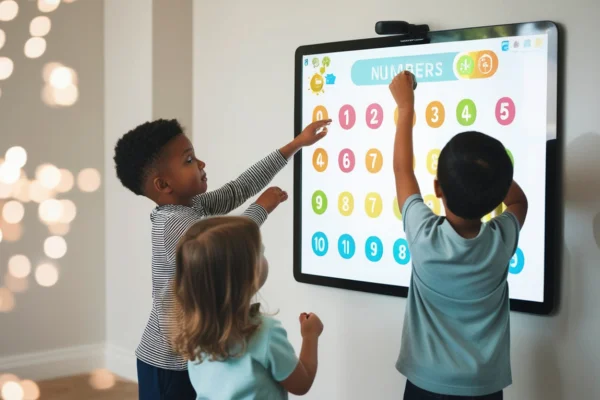
- Smart classroom technology for enhanced learning.
- Interactive discussions and classroom participation.
- Audio-visual teaching aids and presentations.
- Real-time question and answer sessions.
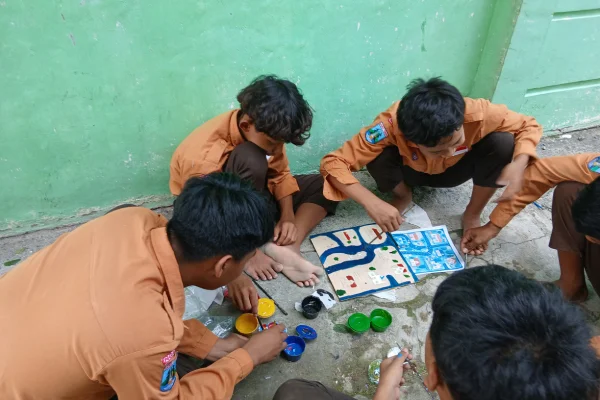
- Educational games and learning activities.
- Group discussions and peer interactions.
- Hands-on demonstrations for better understanding.
- Digital resources and multimedia content.
- Student-centered teaching approach.
- Encouraging curiosity and critical thinking.
Learning becomes more meaningful when students actively participate in educational activities.
- Hands-on learning experiences.
- Practical classroom activities and experiments.
- Art and craft integration in learning.
- Science models and project work.
- Educational role plays and simulations.
- Creative problem-solving exercises.
- Learning through observation and exploration.
- Team-based classroom activities.
- Skill-building exercises for all age groups.
- Experiential learning for deeper understanding.
Students develop knowledge and skills by working on real-world projects and challenges.
- Research-based project assignments.
- Individual and group project work.
- Problem-solving through practical applications.
- Real-life learning experiences.
- Encouragement of creativity and innovation.
- Presentation and communication skill development.
- Collaborative project planning and execution.
- Critical thinking and analytical skills enhancement.
- Interdisciplinary learning opportunities.
- Development of leadership and responsibility.
We promote teamwork and cooperative learning to help students learn from one another.
- Group discussions and collaborative tasks.
- Peer learning and knowledge sharing.
- Team-based classroom projects.
- Cooperative problem-solving activities.
- Development of communication skills.
- Respect for diverse ideas and perspectives.
- Leadership and teamwork opportunities.
- Collaborative research assignments.
- Interactive classroom participation.
- Building confidence through group engagement.
Modern technology is integrated into the learning process to prepare students for the digital future.
- Smart classrooms with digital boards.
- Computer-assisted learning programs.
- Access to educational software and resources.
- Online learning support and digital content.
- Multimedia presentations and visual learning.
- Computer literacy and digital skills training.
- Technology-enabled assessments and assignments.
- Internet-based research opportunities.
- Interactive educational applications.
- Preparing students for future technological advancements.